#1 Ada Lovelace & Charles Babbage:The first algorithm and the dream of thinking machines
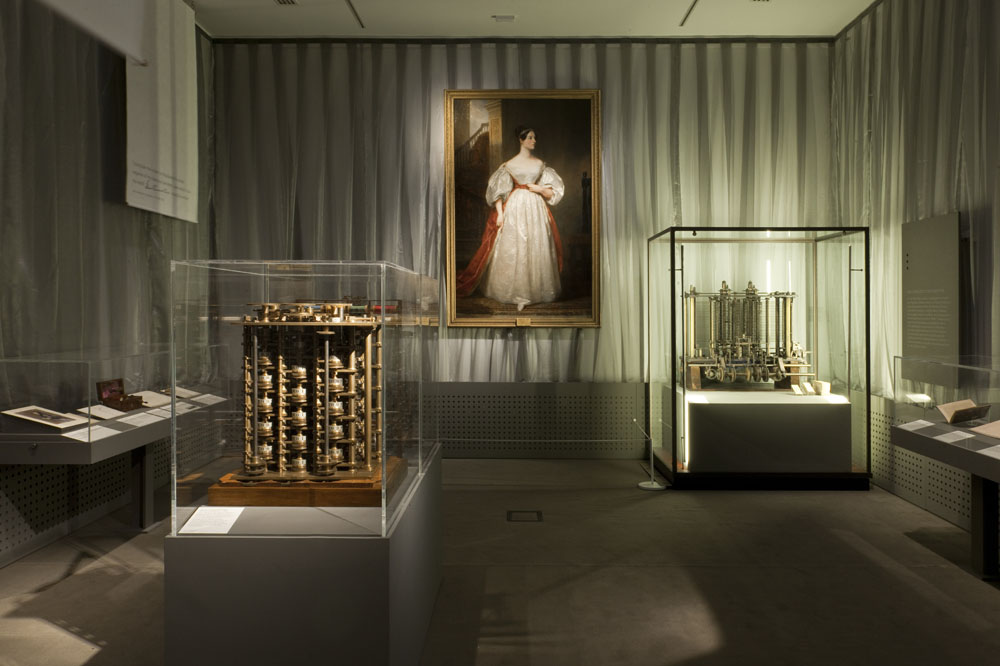
Computing did not begin with machines. It began with imagination. Before electricity, before modern circuits, one woman envisioned how numbers and symbols could be processed mechanically, and in doing so, she wrote what many call the first computer program.
1. Ada Lovelace: The First Programmer
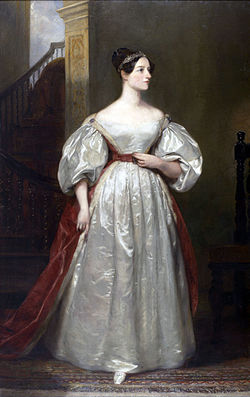
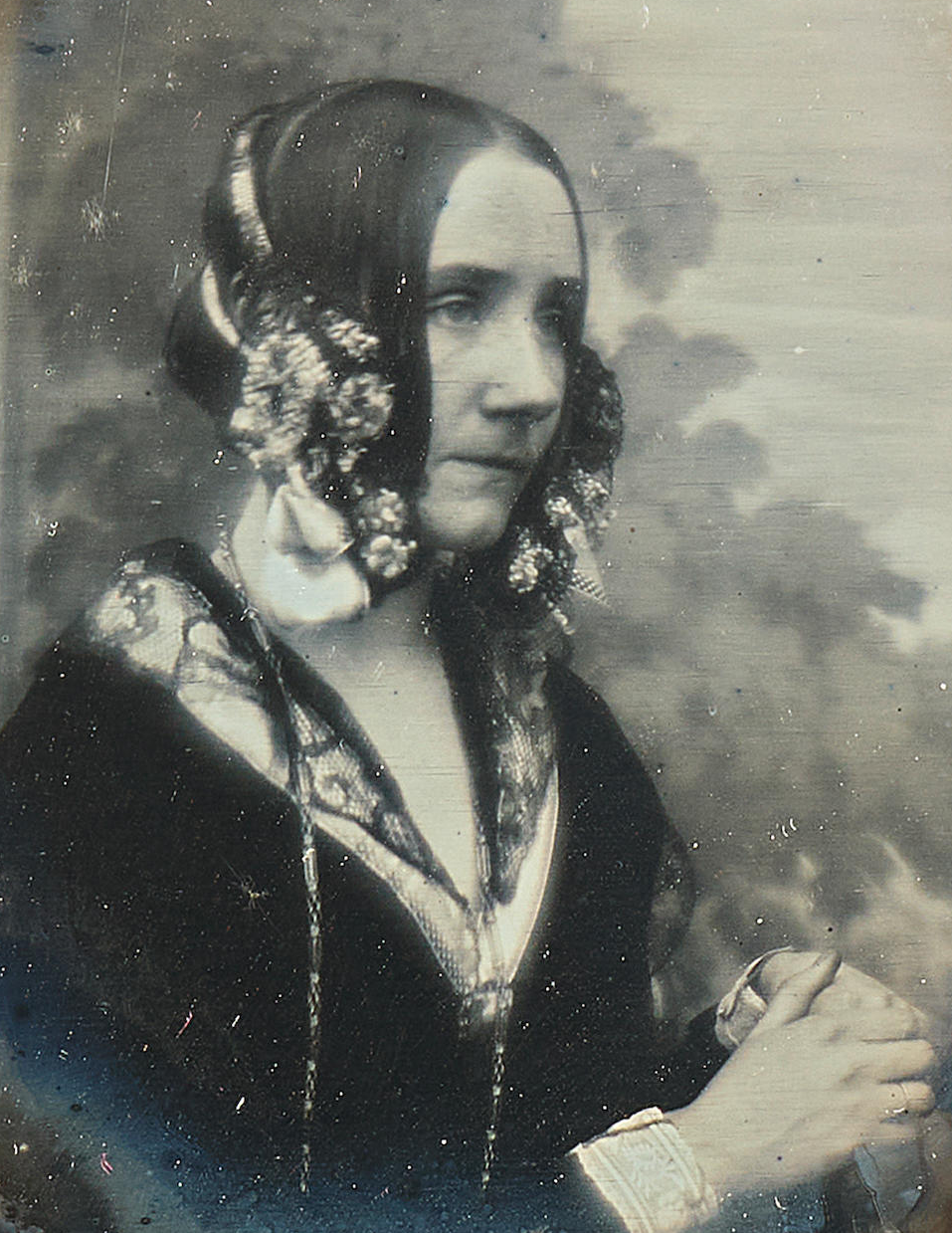
Augusta Ada King, Countess of Lovelace (1815–1852), was an English mathematician and writer, and the only legitimate daughter of the poet Lord Byron. Her mother, Annabella Milbanke, known as the “Princess of Parallelograms” for her strong background in mathematics, directed Ada's education toward science and logic to guard her from what she saw as Byron's unstable temperament.
This upbringing gave Ada both mathematical discipline and creative imagination. She described her approach as “poetical science”, combining calculation with intuition.
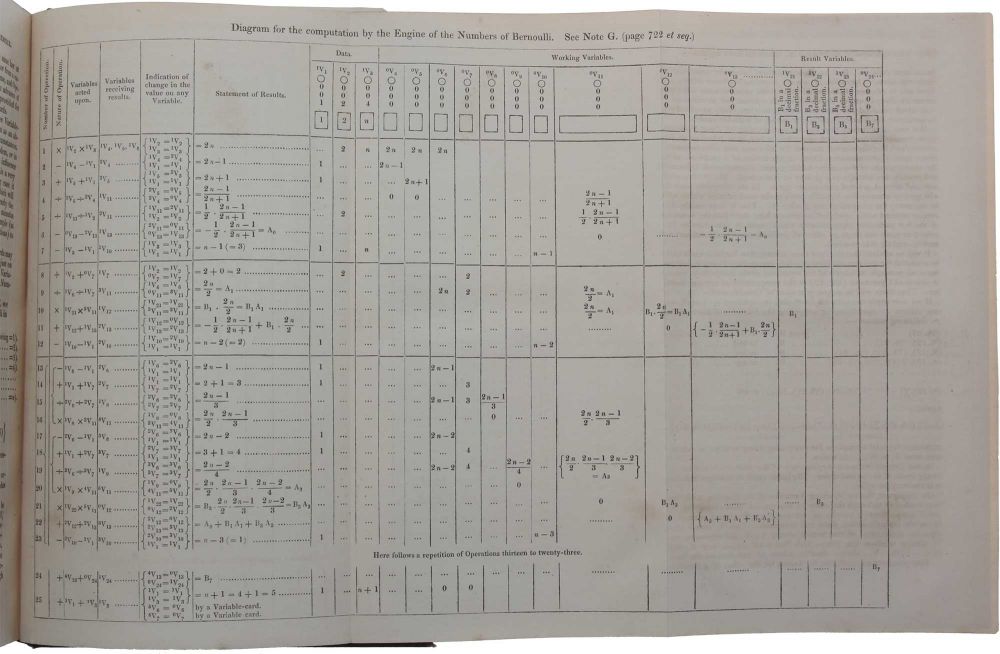
As an adult, Ada formed a close friendship with Charles Babbage, the inventor of the Difference Engine and the Analytical Engine. While translating an article about the Analytical Engine from Italian, she expanded it with detailed notes that were longer than the original text. In those notes she outlined how the Engine could be instructed to calculate Bernoulli numbers (a series of numbers that are used in probability and statistics).
That description is widely recognized as the first published algorithm (a set of instructions) written for a machine. She also suggested that such an engine could work with more than numbers, perhaps producing music or manipulating symbols, like today's AI.
Her contributions earned her lasting recognition. Babbage called her the “Enchantress of Numbers”, and her name has been given to programming languages and awards that honor her role in the early history of computing.
2. Charles Babbage: The Father of the Computer
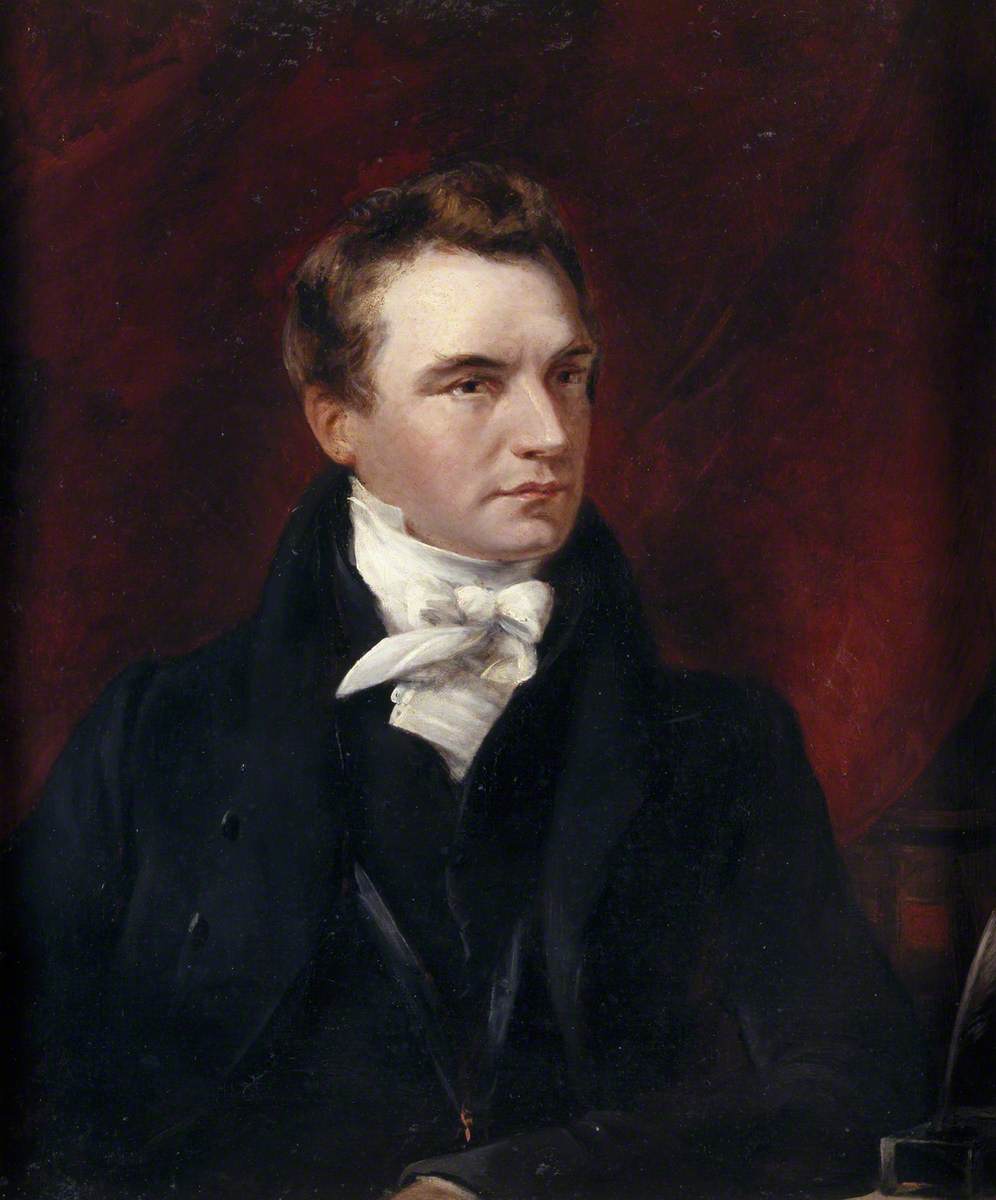
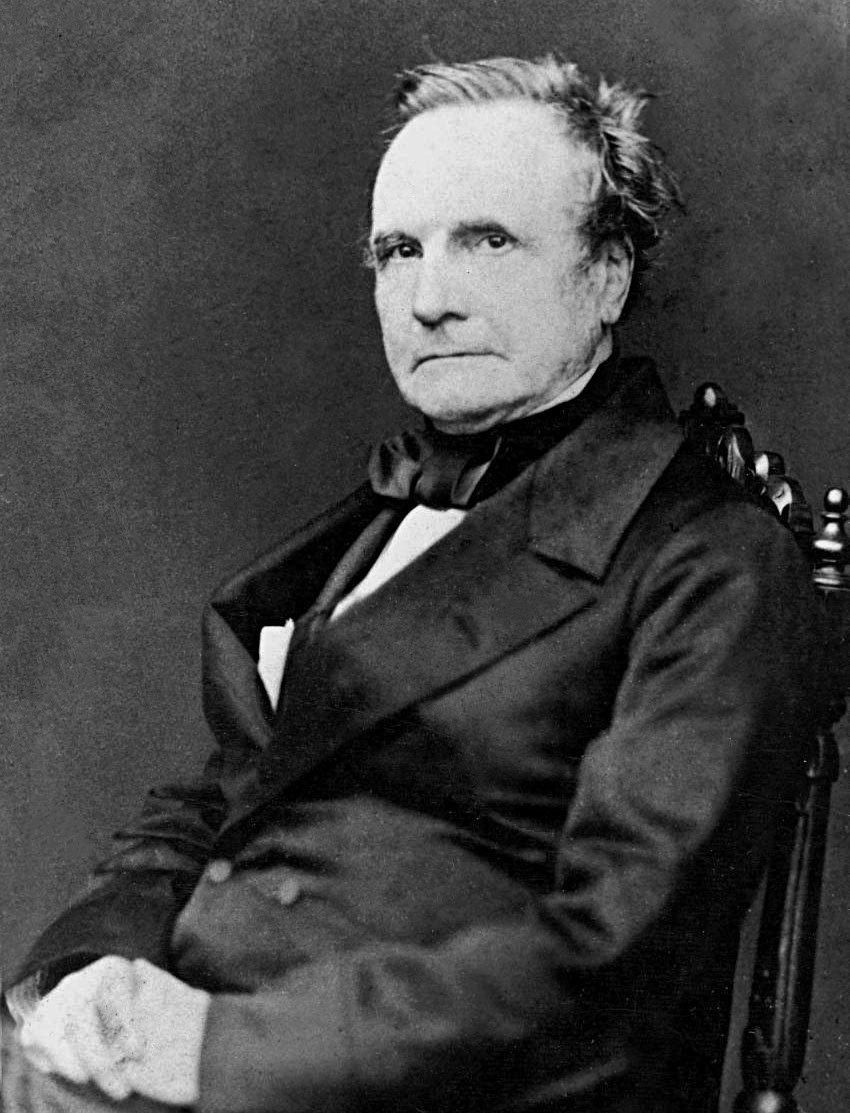
Charles Babbage (1791–1871) was an English mathematician, inventor, and a restless reformer of science in Victorian England. He grew frustrated with the errors that filled printed mathematical tables, which were essential for navigation, engineering, and finance. His solution was not to improve human calculation, but to remove the human hand altogether by designing a machine that could perform the calculations automatically.
This idea led to the Difference Engine, a massive mechanical calculator built from thousands of precision-engineered parts. Though funding and engineering challenges kept it from completion during his lifetime, it demonstrated that machines could take over tasks once reserved for human computers.
His most ambitious design, the Analytical Engine, went far beyond calculation. It contained a "store" for memory, a "mill" to process instructions, and the use of punched cards to provide programs as input. These concepts would later become the blueprint for modern computer architecture.
Babbage's brilliance was matched by his eccentricity. He quarreled with governments, argued with engineers, and complained about London's street music in long pamphlets. Yet he inspired a circle of remarkable collaborators, none more important than Ada Lovelace, who recognized that the Analytical Engine could do more than arithmetic.
Although he never saw his engines fully realized, Charles Babbage's designs are now seen as the starting point of programmable computing.
3. The Problem: Human Errors
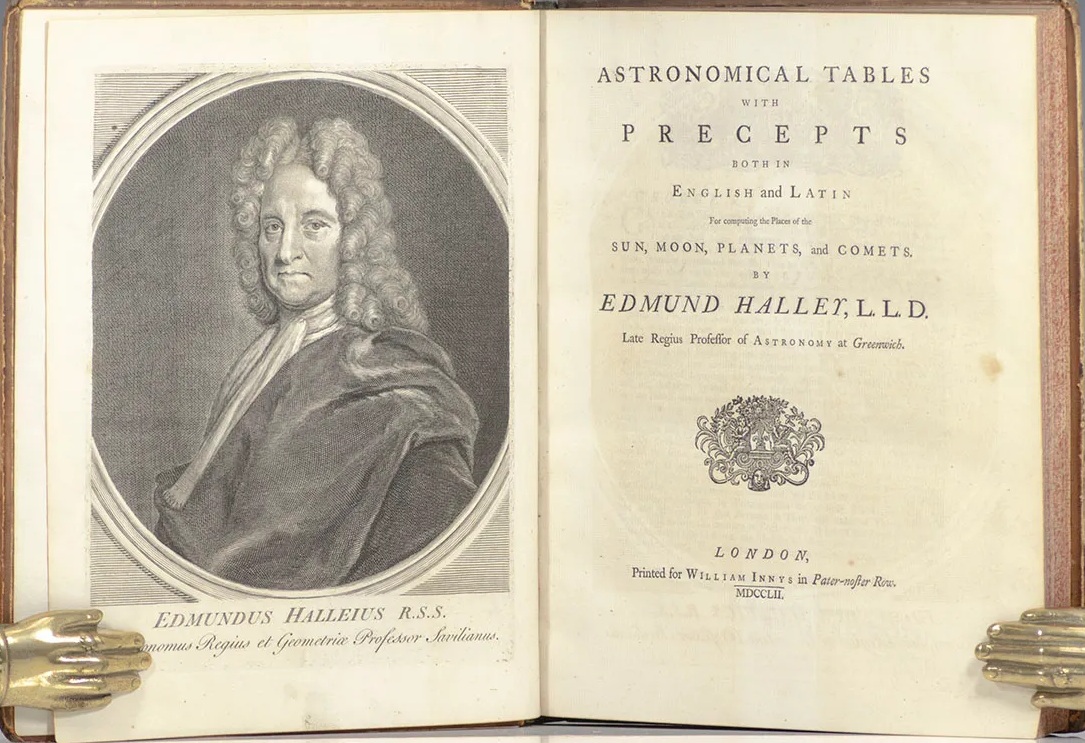
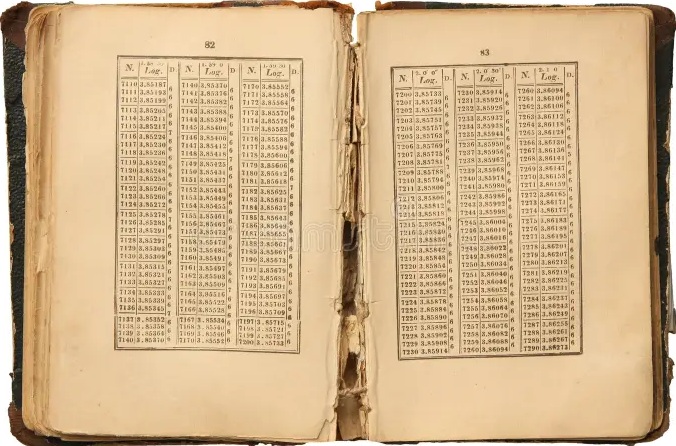
To navigate the stars, build bridges, or even calculate bank interest, Victorian society relied on "computers". These were not machines, but people, human computers. Armies of clerks spent their days hand-calculating vast books of numbers.
Think of them like the multiplication tables you learn in school, but for everything. There were books listing the square root of every number, the exact position of the stars for every hour of the year, and even tables for banking interest. If you were an engineer or a captain, you didn't do the math yourself. You trusted the book.
Humans are fallible. They get tired, bored, and careless. Errors crept in at every stage, from calculation to printing. These were not harmless typos. A single wrong digit in a navigation table could wreck a ship on a reef.
Babbage saw this fragility as a crisis. He realized that as long as math relied on human hands, it would remain flawed.
4. The Difference Engine: A Machine for Calculating Polynomials
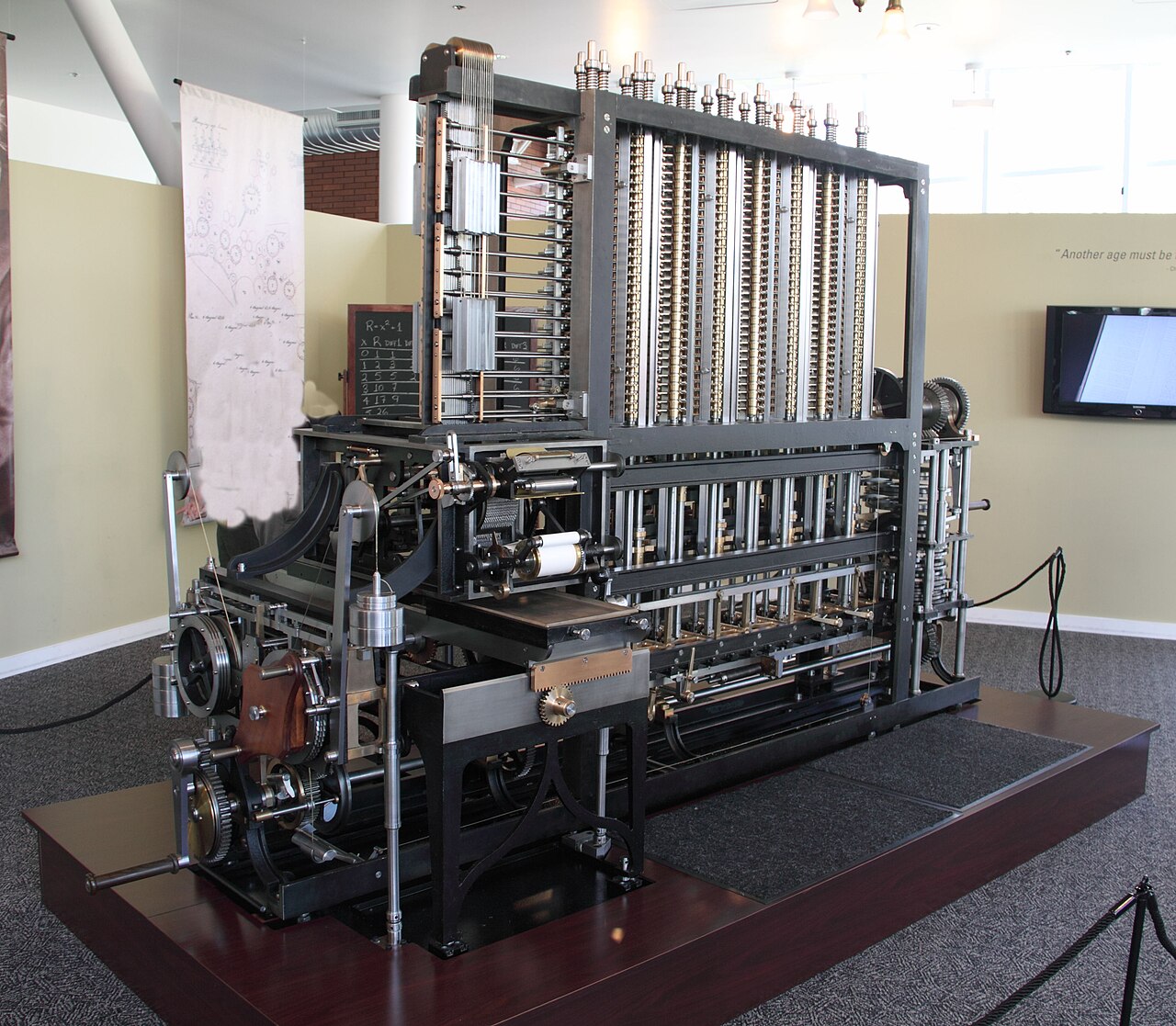
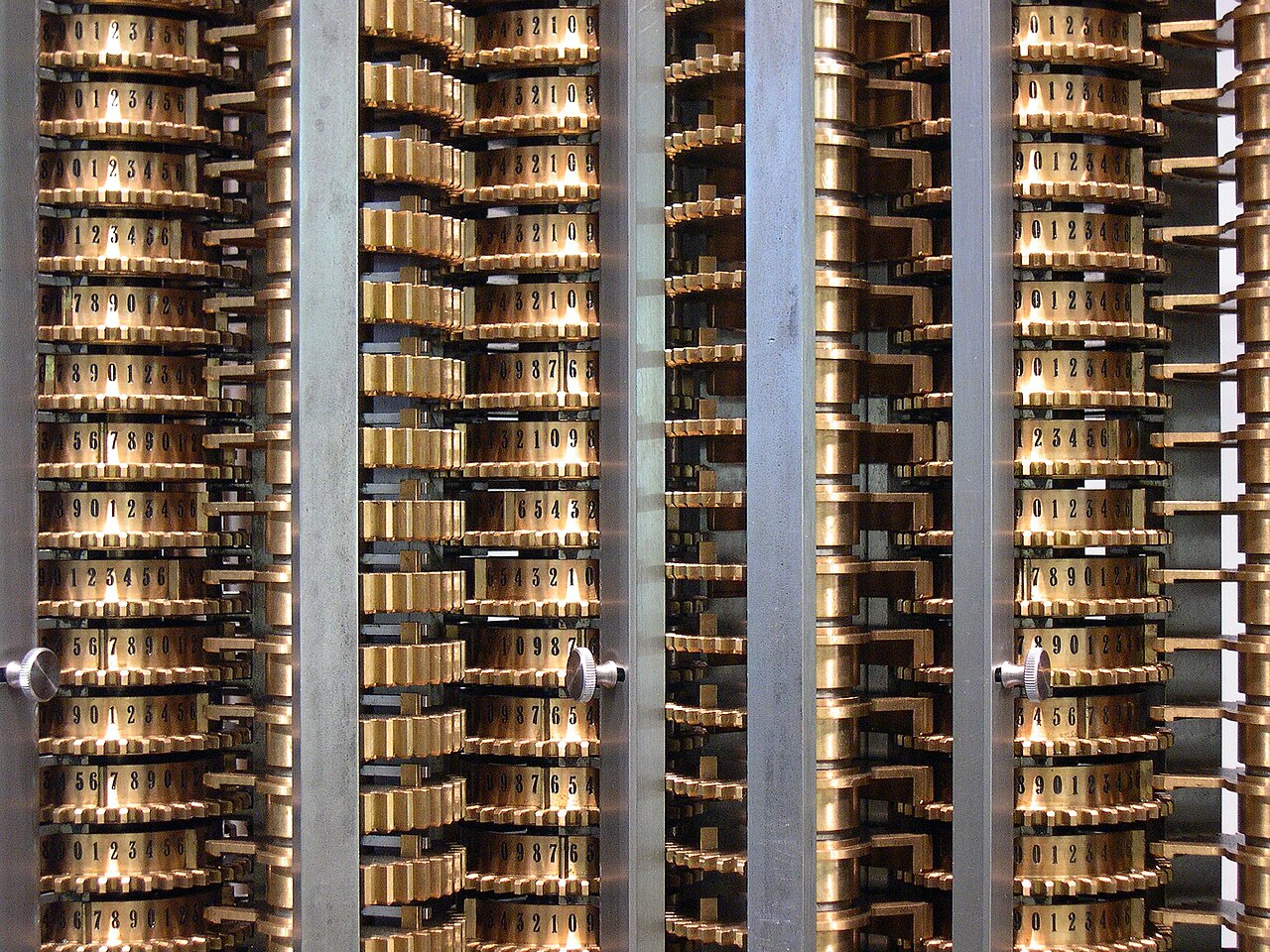
Babbage's answer was to replace the clerk with a machine. He designed the Difference Engine to banish human error forever.
It was a monument of brass and steel. When you turned the crank, thousands of gears clicked into place, physically grinding out the correct answers. The logic of the math was built directly into the metal wheels.
This was a breakthrough. It proved machines could do mental work. But it had a fatal flaw. It was rigid. The Difference Engine could only do the specific math it was built for. It was a calculator, not a computer.
Online emulator of the Difference Engine (Click to open in new tab):
5. The Analytical Engine: A Machine Ahead of Its Time
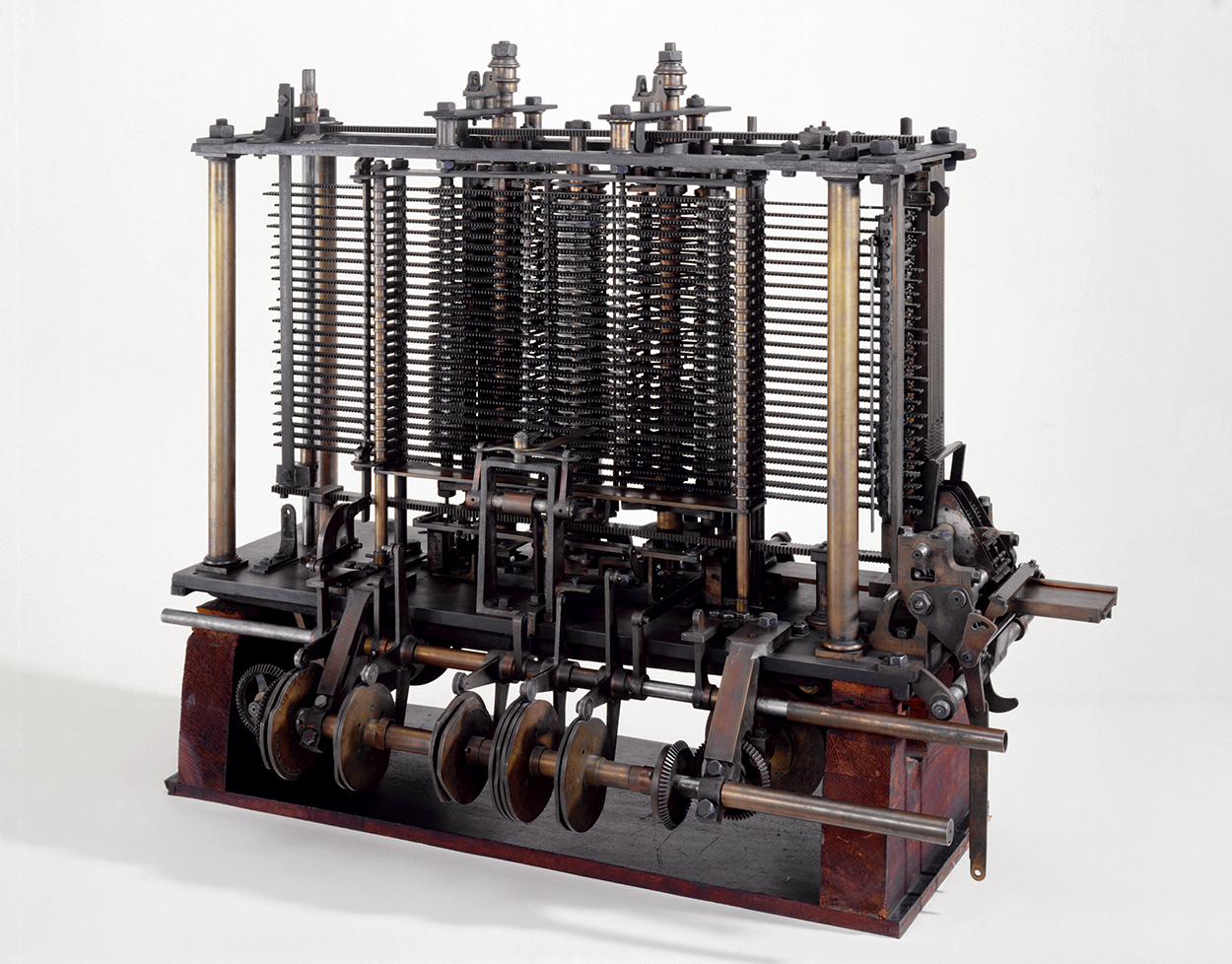
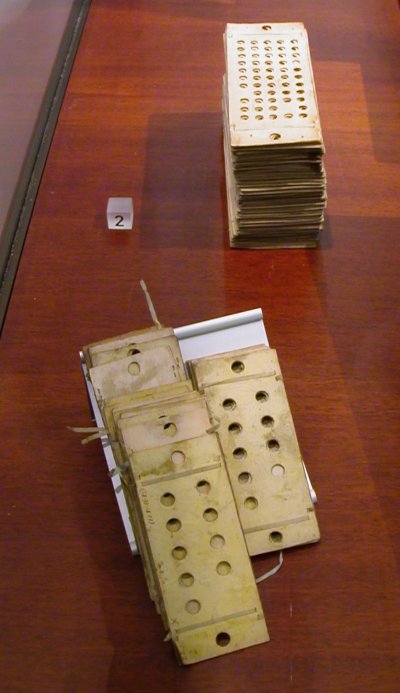
Babbage was not satisfied. He wanted more than a calculator. He wanted a machine that could solve any problem. He called it the Analytical Engine.
It was a design ahead of its time. It had a "Store" to hold numbers, which we now call memory. It had a "Mill" to crunch them, like a modern processor. To tell the machine what to do, it used punched cards. This was a trick borrowed from the Jacquard looms that wove patterns into silk, serving as what we now call input. The machine could also print out its results, which we call output. It was a complete system.
This was the first true computer design. But where Babbage saw a super-calculator, Ada Lovelace saw something more. She realized that this machine manipulated symbols. Those symbols happened to be numbers, but they could represent anything. Logic. Letters. Even musical notes. She understood that if you could reduce a problem to logical rules, this machine could solve it.
In 1843, she proved it. She wrote a set of instructions for the engine to calculate Bernoulli numbers. It was not just a calculation. It was a program. She had written the first piece of software.
Sadly, the engine was never built. The engineering of the 1840s was not precise enough for Babbage's demanding designs. The British government lost patience with his endless changes and cut his funding.
Ada died young at 36. Babbage spent his final years embittered, surrounded by drawings of a machine he could not build.
But they were right. A hundred years later, when the first electronic computers hummed to life, they followed the exact architecture Babbage designed and the logic Ada foresaw.
Online emulator of the Analytical Engine (Click to open in new tab):
6. In recent media
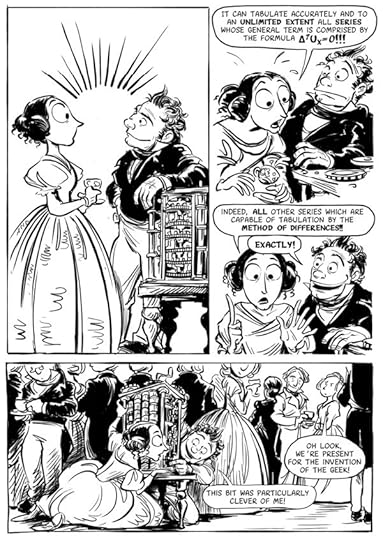
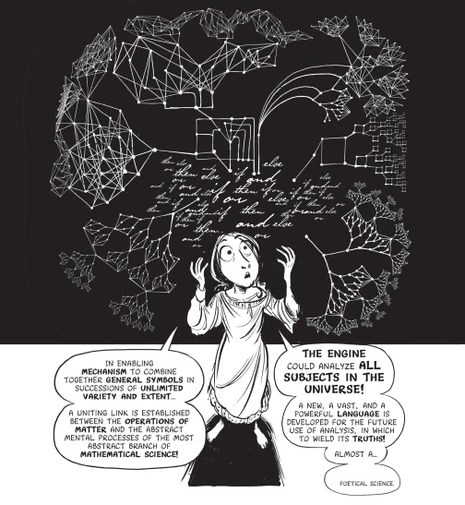
Below is a curated list of recent media (primarily from 2020–2025) that explores the life and legacy of Ada Lovelace. These works highlight her collaboration with Charles Babbage, her visionary notes on the Analytical Engine, and her enduring influence on computing.
Books
- We, Programmers: A Chronicle of Coders from Ada to AI by Robert C. Martin (2024) - A memoir-infused history of programming, starting with Lovelace's groundbreaking work.
- Ada Lovelace: The World's First Computer Programmer by Beverley Adams (2023) - A concise biography exploring Lovelace's complex life and mathematical genius.
- I, Ada: Ada Lovelace: Rebel. Genius. Visionary by Julia Grey (2020) - A fictionalized memoir from Lovelace's perspective, blending historical facts with imaginative narrative.
- Ada Lovelace (The First Names Series) by Ben Jeapes (2020) - A lively, illustrated biography for young readers.
Graphic Novels and Comics
- Ada Lovelace and the Start of Computers by Jordi Bayarri Dolz (2023) - A graphic biography depicting Lovelace's imagination and her first algorithm.
- The Thrilling Adventures of Lovelace and Babbage by Sydney Padua (2015) - A steampunk-inspired graphic novel blending historical accuracy with fictional adventures.
Theater Plays
- Ada and the Engine by Lauren Gunderson (2017) - A whimsical romance blending Lovelace's real-life collaboration with Babbage.
- The Ada Lovelace Project by Nimbus Theatre (Ongoing) - An immersive exploration of Lovelace as the first programmer.
- Ada and the Memory Engine by Essential Theatre (2010s) - A poignant play delving into Lovelace's final days and enduring legacy.
Films and Documentaries
- Ada (Short Film) by Steven Kammerer (2024) - A gripping short film portraying Lovelace's desperate bid to fund and build the first computer.
- A Journey from Algorithms to AI Legacy: Ada Lovelace (YouTube) by BMResearch (2025) - A video essay tracing Lovelace's algorithms to modern AI.
- Byron and Babbage: A Calculating Story (Short Film) (2021) - An animated tale of the unlikely 19th-century alliance between Lovelace and Babbage.